
Jaee Patil Jabulee
10 Minutes Read
Every parent has this moment. Your baby makes a sound or a face and you wonder… hungry…
Do not worry. Babies are small but they are always communicating with you. When you learn to
pick up these signals, you respond faster and better. This builds trust. This is the first step
toward a secure lifelong bond.
Why Reading Baby Cues Matters
Babies cannot use words yet. So they express their needs through their body, face and voice.
When you notice these cues and respond with care:
- Your baby feels seen, safe and loved
- Crying reduces because needs are met early
- You gain confidence and feel less stressed
- The bond between you becomes stronger every day
Types of Baby Cues — What Your Baby Might Be Trying to Tell You
Here is a handy overview of common cues and what they may mean:
Rooting, sucking fists, lip smacking
Baby is hungry (ready to feed)
Slowing or stopping suckling, relaxing hands, looking drowsy, turning away from breast or bottle
Baby is full / done feeding
Yawning, jerky movement, staring blankly, losing interest in toys/people
Baby is tired / needs sleep
Bright, wide eyes, eye contact, smiling,
cooing, reaching out
Baby is alert and ready to play or interact
Looking away, fussiness, squirming, turning head away
Baby needs a break — maybe overstimulated or needs a calmer environment
Crying, clenched fists, scrunched face, tense body, wiggling — especially when upset or uncomfortable
Baby needs comfort, soothing, or might be in distress (hunger, discomfort, tiredness, illness)
Remember: every baby is unique. What’s “normal” for one may look different for another. Over
time you will learn your baby’s individual “language.”
What Happens Over Time: Why This Matters for Long-Term Well-Being
When babies consistently experience warm, responsive, attuned caregiving, they tend to
develop a stable emotional foundation. This secure attachment style helps babies:
- Regulate emotions effectively — they learn that it’s safe to express feelings and that
someone will respond and comfort them. - Explore the world with confidence — curious, eager to learn and discover, knowing they
have a safe base to return to. - Build healthy self-esteem, social skills, empathy, trust in relationships later in life.
In short, reading and responding to your baby’s cues is not just about getting through daily
needs — it is about laying the emotional groundwork for a lifetime of healthy relationships,
confidence, and well-being.
If you are raising your baby in a new city, balancing work, home, and parenting without the
everyday support of extended family, please remember this: you are doing something incredibly
strong. When there are fewer helping hands and life moves quickly, secure attachment does not
depend on perfection. It grows through simple, consistent moments of connection.
Whether you are breastfeeding or bottle feeding, sharing night duties with your partner, or
depending on a nanny or day care while you work, what matters most is not the setup but the
warmth and responsiveness you bring. A few minutes of focused attention after work, a calmcuddle before sleep, eye contact during feeding, singing while giving a bath, or playful
conversation during a short walk are powerful bonding moments.
Even on days when you feel tired or stretched, these small interactions tell your baby, I am here
for you. You may not have grandparents or family nearby, but your presence, your effort, and
your loving attention are enough to build deep trust.
You and your baby are growing together. And that is truly special.
As you navigate parenthood, remember that there is no perfect parent — only one committed to
understanding, responding, and loving. And that is enough.
Jaee Patil Jabulee
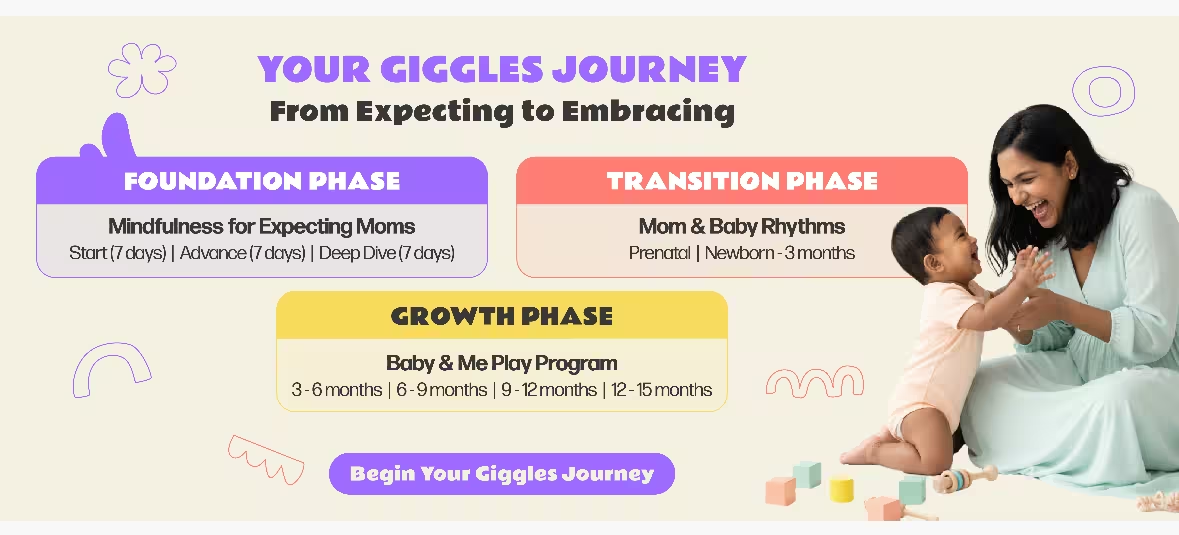
Giggles is a screen free, research based program that helps you bond with your baby through simple music, movement, stories, and calm play.
.svg)
.svg)
.svg)
.svg)

.svg)
.png)
.svg)
.svg)
.svg)
.svg)
.svg)
.svg)
.svg)
.svg)
.svg)
.svg)
.svg)
.svg)
.svg)